

Strawberry Home Pricing: What Actually Moves the Needle for a Confident Sale
Pricing a home in Strawberry can feel deceptively simple—look at a few nearby sales, pick a number, and call it a day. But the truth is that buyers respond to a handful of very specific signals, and they decide fast. The goal isn't to "try a price" and see what happens; it's to launch with enough clarity and momentum that the market rewards you with strong showings, confident offers, and better terms. When the price is aligned with what buyers can see, feel, and justify, everything else gets easier.

First, recognize what buyers are really buying. In a mountain community like Strawberry, California, the purchase is often about lifestyle as much as square footage—fresh air, quick access to outdoor recreation, and that feeling of getting away without being completely off the grid. Those emotional drivers are powerful, but they still translate into practical questions: road access year-round, snow readiness, proximity to services, and whether the home feels "turnkey" or like a project. Smart pricing brings those realities into the number instead of hoping buyers will overlook them.
The comps matter—but the right comps matter more. "Similar" isn't just bedrooms and baths. In Strawberry, two homes can look identical on paper and perform very differently based on slope, driveway grade, winter sun exposure, tree coverage, and maintenance history. A home with documented roof age, well-maintained decking, updated heating, and clean inspections will price differently from one with unknowns, even if they're the same size. The needle moves when you compare like-for-like on the details buyers fear most—deferred maintenance, access concerns, and big-ticket systems.
Condition is a pricing lever you can actually control. The highest-impact pre-list improvements aren't always dramatic remodels. Fresh interior paint, bright lighting, clear walkways, and professional cleaning can change the way buyers perceive "risk." In mountain homes, buyers also notice functional readiness: weatherstripping, properly vented bathrooms, solid handrails, safe steps, and a tidy utility area. These don't just help you sell—they justify your number. A well-prepared home earns the benefit of the doubt, and that translates directly into willingness to pay.
The Hidden Factors That Create (or Kill) Buyer Confidence
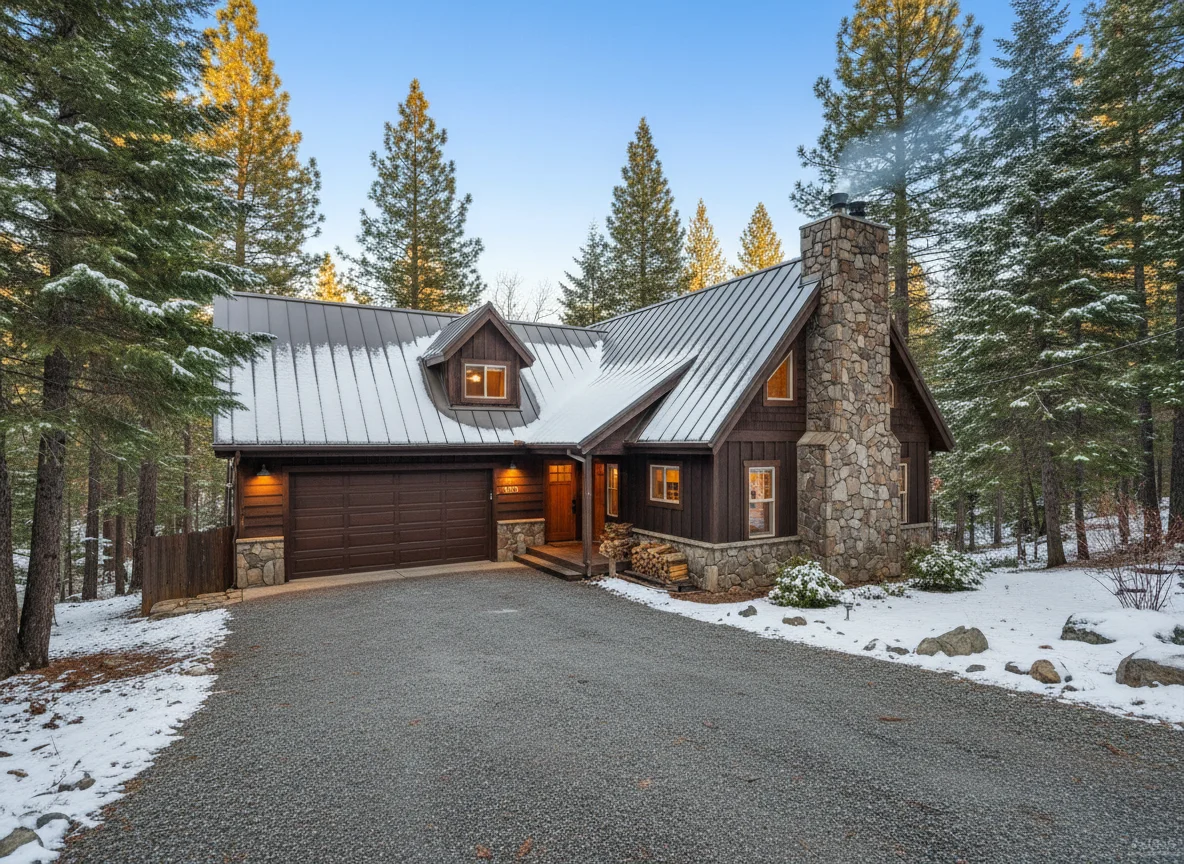
Access and usability often outweigh an extra room. A steep driveway, limited parking, or tricky winter approach can narrow the buyer pool. On the flip side, easy entry, clear drainage, and a practical snow plan can widen demand—especially for second-home buyers who want low stress. If your home is exceptionally accessible (or notably challenging), pricing needs to reflect that from day one. Buyers will factor it in anyway; the question is whether you're setting expectations or letting them be surprised.
Documentation reduces perceived risk—so it supports price. When buyers can review service records, permits (where applicable), septic or well information (if relevant), and recent improvements with dates, they feel more secure. That confidence shows up in stronger offers and fewer price reductions later. A simple "home fact sheet" and a clear list of updates can do as much for pricing power as a cosmetic upgrade, because it answers the unspoken question: "What am I going to discover after I move in?"
Seasonality shapes strategy. In mountain markets, buyer activity can shift with weather, travel patterns, and recreation seasons. Pricing too optimistically when demand is thinner can lead to longer days on market, and time-on-market becomes its own negative signal. Conversely, a well-calibrated price during an active window can create urgency and competition. The best plan accounts for your timing, not just the last sale that closed.
What "Right-Priced" Looks Like in the First Two Weeks
Those first 7–14 days are when your listing is freshest—when buyers, agents, and saved-search alerts are paying the most attention. A right-priced home typically sees a healthy volume of showings early, questions that focus on logistics rather than objections, and follow-up interest that escalates instead of fading. If you're seeing lots of clicks but very few tours, the price and the perceived value aren't matching. If tours happen but no one returns for a second look, the gap is often condition, presentation, or an undisclosed concern that pricing didn't compensate for.
The biggest pricing mistake is chasing the market downward. Starting high "to leave room" can backfire because serious buyers may skip the listing entirely. Then the first reduction reads like a warning—even if nothing is actually wrong. A confident sale is usually built on a confident launch: a price that makes sense against the best alternatives a buyer can choose that weekend. The goal is not to be the cheapest; it's to be the clearest value.

Presentation and pricing are inseparable. Buyers don't "adjust" their mental price for messy photos, dim rooms, cluttered counters, or an overstuffed garage—they just move on. Clear, bright photography and thoughtful staging (even simple edits like removing heavy curtains and creating walking paths) make your pricing argument believable. In a market where many buyers are comparing homes from a distance before they travel, the online first impression can move the needle as much as any spreadsheet.
Think in terms of net, not just list price. The strongest deals often come with favorable terms: fewer contingencies, stronger earnest money, flexible closing, or fewer repair requests. Correct pricing invites those buyers—the ones who want the home and are prepared to act. Overpricing often attracts bargain hunters who negotiate harder, ask for more credits, and extend timelines. A confident sale is the one where price and terms work together, not against each other.
A Practical Pricing Checklist Sellers Can Use
- Compare the right features: access, parking, sun exposure, outdoor spaces, and system updates—not only size.
- Reduce risk signals: organize maintenance records, address safety items, and make the utility areas look cared for.
- Align with buyer expectations: if it's not turnkey, price for the work or complete the highest-impact fixes.
- Watch the first two weeks: low showings suggest a pricing/value mismatch; low offers suggest buyers see risk.
- Prioritize momentum: the market rewards clarity—especially early.
At Cold Springs Realty, the focus is on pricing that earns trust—because trust creates action. If you're considering selling, the most helpful first step is a thoughtful value range based on true comparables, condition reality, and the specific drivers that influence Strawberry buyers. With the right preparation and a launch strategy built for momentum, you can aim for a sale that feels steady, justified, and genuinely confident from day one.