
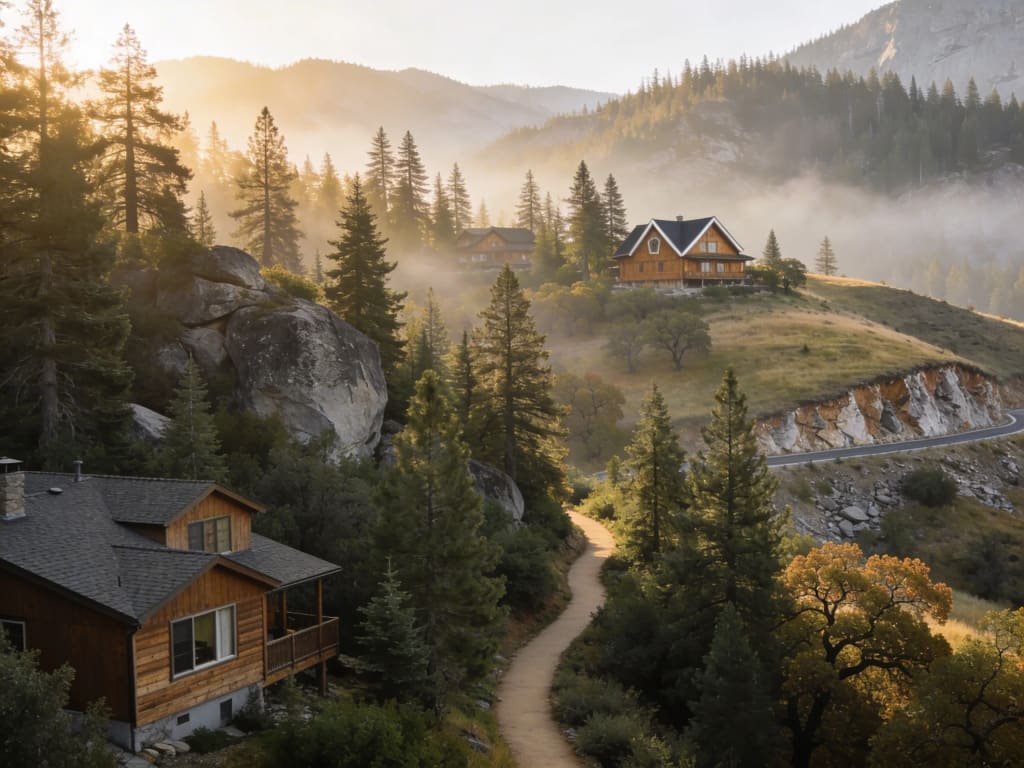
Tuolumne County Closing Timeline: From Offer to Keys in Plain English
Getting an offer accepted feels like the finish line—until you realize it's really the starting gate. The closing process in Tuolumne County has a rhythm of its own: a few standard milestones, a few local quirks, and a lot of moving parts that are easier to manage when you know what's coming next. Whether you're buying a cabin near the pines, a family home in town, or a foothill getaway with room to breathe, the timeline is less mysterious when it's broken into clear steps. Here's the plain-English playbook Cold Springs Realty uses to help clients go from "accepted" to "hand me the keys."
Step 1: Accepted offer → open escrow (Day 0–2)

Once the seller signs your offer, escrow is opened and the clock starts. In California, the purchase agreement lays out deadlines for inspections, appraisal, and loan contingency removal, so those dates get calendared immediately. Your earnest money deposit is typically due early in the process (often within a few business days), and escrow will provide instructions for wiring or delivering funds.
During this first window, the goal is simple: get everyone introduced and moving. That includes escrow, your lender, the listing side, and any service providers you'll need. If you're buying in a more rural pocket of Tuolumne County, it's smart to schedule inspections promptly—availability can be tighter, and travel time is real.
What you can do right away: respond quickly to lender requests, confirm how you'll deliver the deposit, and start gathering documents (pay stubs, bank statements, ID). The faster paperwork flows now, the fewer "surprise delays" later.
Step 2: Investigation period (roughly Day 3–17, varies by contract)
This is the due-diligence stretch—where you learn what you're really buying, beyond the listing photos. A typical inspection package might include a general home inspection, pest report, roof evaluation, and any specialized checks suggested by the property's age and location. In foothill and mountain areas, buyers often add well and septic inspections, plus defensible space or wildfire-related considerations depending on the neighborhood and insurance needs.
At the same time, sellers deliver disclosures and reports. You'll review everything from material facts to permit history (when available), along with any HOA documents if the property is in a community with shared rules or dues. If something doesn't line up—say, a remodeled area without clear permits or a system at end-of-life—this is when your agent helps you decide whether to request repairs, negotiate credits, or adjust price.
Plain English tip: negotiate with a plan. It's easy to feel overwhelmed by a long inspection list, but most deals move forward when you focus on safety, major systems, and items that affect financing or insurability.
Step 3: Appraisal and loan progress (often Day 10–25)
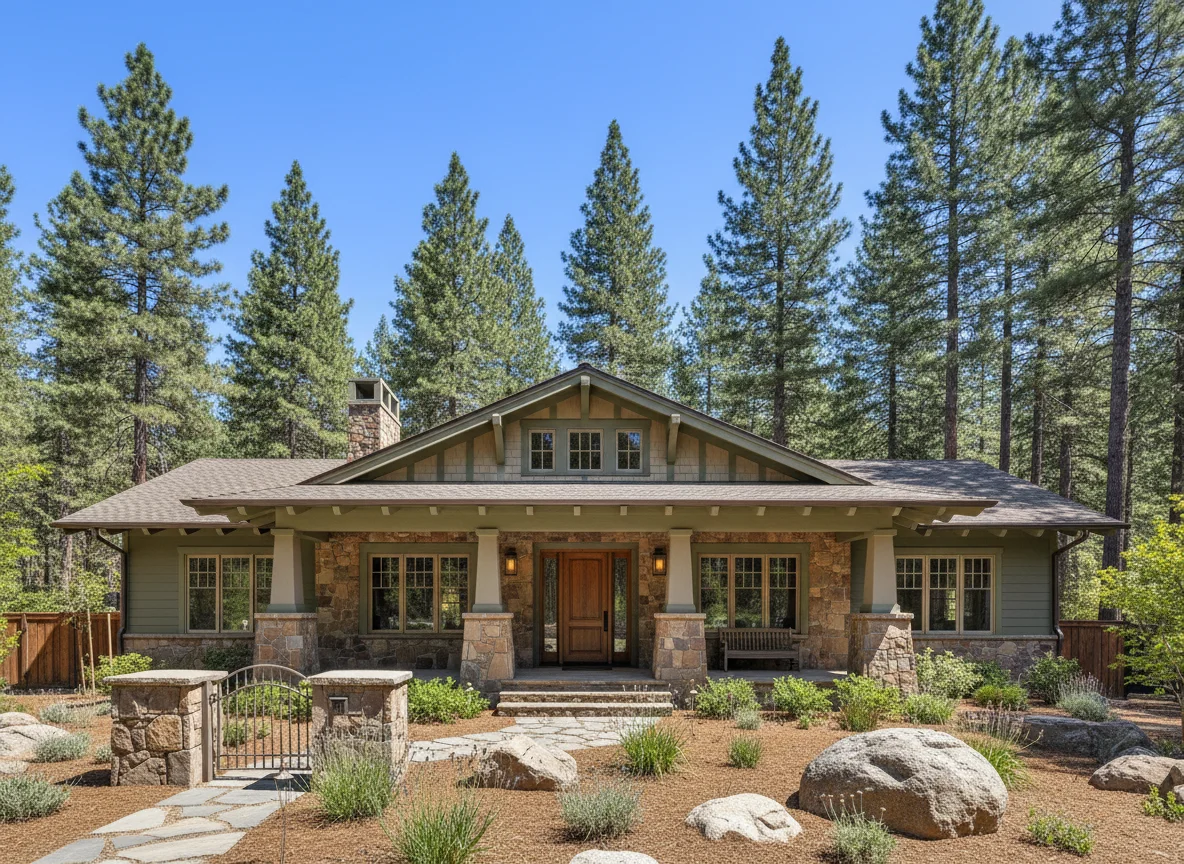
While inspections are underway, your lender is building the loan file. The appraisal is typically ordered after you're in contract, and the appraiser will compare the home to similar recent sales. In Tuolumne County, comps can be tricky depending on the micro-area—neighborhood pockets, elevation, acreage, and access can shift values quickly. That's why it helps to work with an agent who understands how "similar" is defined locally.
Expect requests from underwriting as the lender verifies income, assets, and any large deposits. If you're self-employed, have variable income, or are using gift funds, build in extra time for documentation. Also note that rural properties can add lender requirements (think: septic clearance, well flow tests, or additional condition reports) depending on the loan program.
How to keep this phase smooth: avoid opening new credit lines, don't make big unexplained bank transfers, and answer lender questions the same day when possible. Small delays here can ripple forward into closing.
Step 4: Title work, insurance, and "can we actually close?" details (Day 18–30)
Title and escrow will examine the property's ownership history and any recorded items that affect it—liens, easements, or boundary-related notes. Many homes in the county come with features like shared driveways, access easements, or utility corridors; these aren't automatically bad, but you want to understand what they mean for daily life and future projects.
Insurance is another major checkpoint. Buyers sometimes discover that coverage costs (or availability) differ depending on fire risk scoring, roof age, and proximity to vegetation. It's wise to start insurance shopping early—ideally right after the offer is accepted—so you aren't scrambling in the final week. If your insurer requires mitigation (like clearing brush or updating a roof), knowing sooner gives you options to negotiate or adjust your plan.
Throughout this period, your agent and escrow are also aligning the moving pieces: making sure repair agreements are in writing, confirming that any credits are documented, and preparing the preliminary closing statement so you know what you'll bring to the table.
Step 5: Contingency removals and final walkthrough (often Day 25–35)

Contingencies are the safety valves that let you cancel (or renegotiate) if a key condition isn't met—inspection, appraisal, and loan are the big ones. Once you're satisfied with the home's condition, the valuation, and your financing, you'll remove those contingencies in writing. This is a pivotal moment: after contingencies are removed, backing out typically becomes much more expensive.
Near the end, you'll do a final walkthrough. This isn't a second inspection; it's a confirmation that the home is in substantially the same condition, negotiated repairs are complete, and everything that should be there is there. Bring your repair receipts (if applicable), test essentials, and focus on the items that matter most: water, heat/air, appliances included in the sale, and any agreed-upon fixes.
Local reality check: If the property is on well and septic, you'll want extra confidence that systems are operating as expected, especially if the home has been vacant. Your agent can help you plan a walkthrough that's practical, not performative.
Step 6: Signing, funding, recording, and keys (final 1–3 days)
The last stretch is mostly paperwork, but it's still time-sensitive. You'll sign your loan and closing documents (often at a notary appointment), then wire your remaining cash-to-close using escrow's verified instructions. After the lender funds the loan, the deed is recorded with the county—this is the moment the home officially becomes yours.
Key handoff timing can vary, but it commonly happens after recording. Cold Springs Realty coordinates the details with escrow and the listing side so you're not left guessing when you can schedule movers, utilities, or that first celebratory drive to your new place.
A realistic timeline—and how to make yours faster (or at least calmer)
Many Tuolumne County closings land in the 30–45 day range, but the "right" timeline depends on your loan type, the property's features (well/septic/acreage), and how quickly information and documents move between all parties. Want the process to feel simpler? Start insurance early, book inspectors immediately, stay responsive to your lender, and lean on an agent who communicates in plain language and watches deadlines like a hawk. When you're ready to map your specific situation—property type, financing, and must-hit move date—Cold Springs Realty can help you build a closing calendar that turns a big life change into a series of manageable steps.