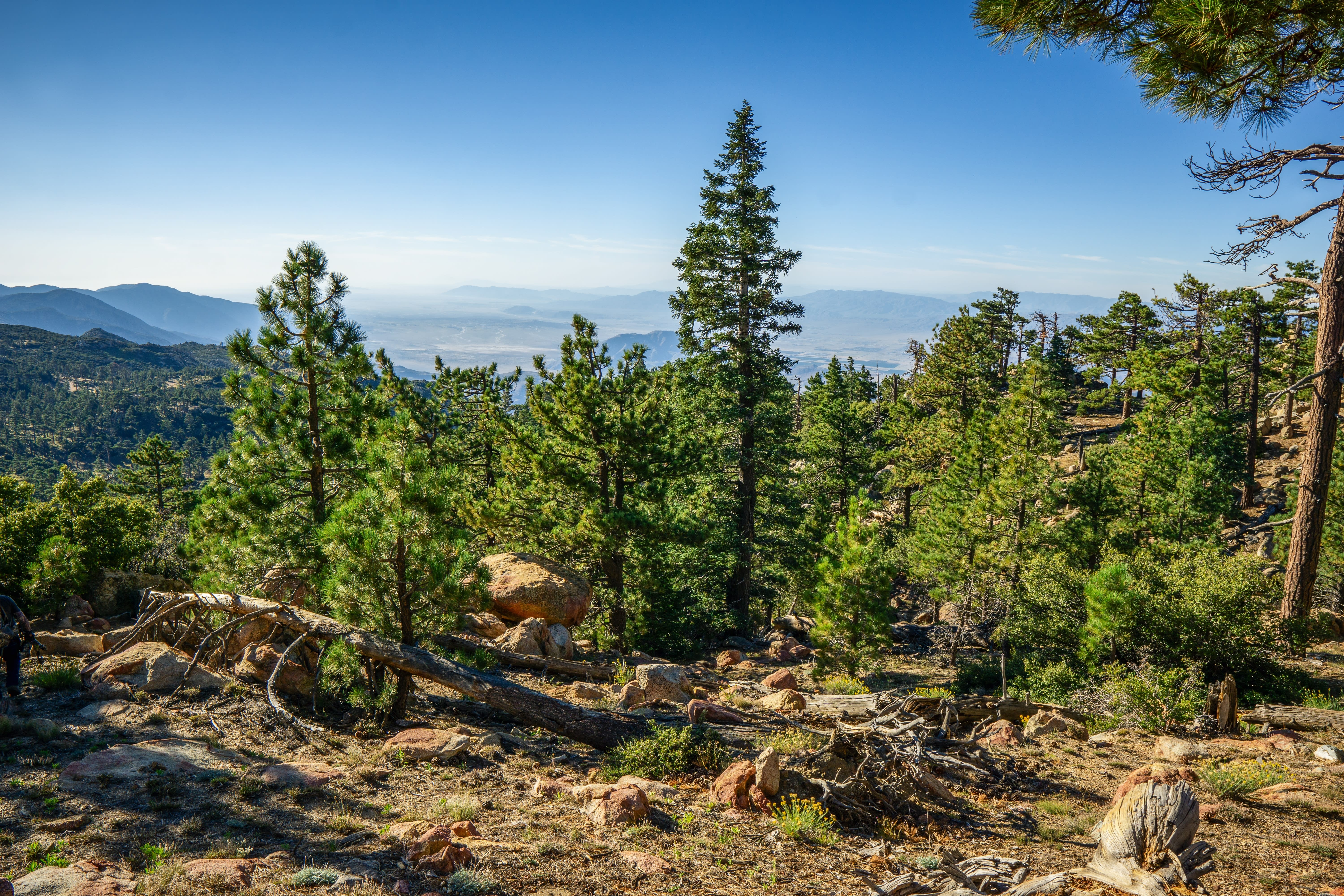
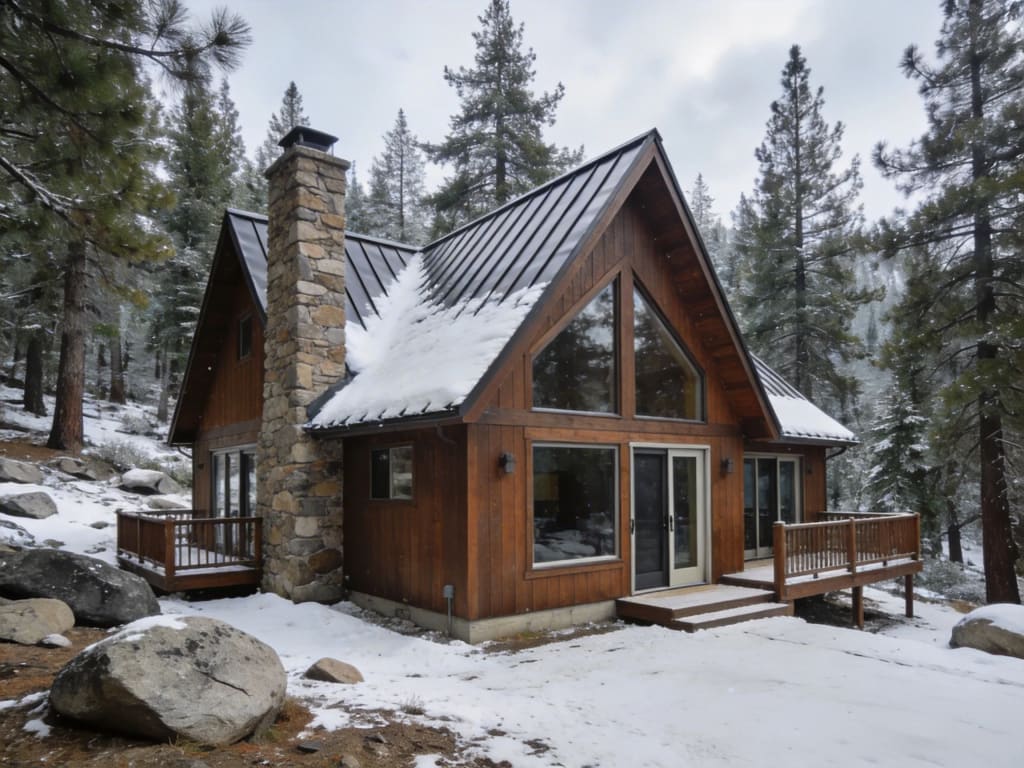
Pinecrest Cabin Prep: 10 Winterizing Moves That Protect Value
Winter has a way of making a cabin feel magical—right up until the first hard freeze exposes a tiny drip, a drafty sill, or a gutter that can't handle ice. The good news is that a thoughtful winterizing routine doesn't just prevent emergency calls; it quietly protects resale value, too. Buyers notice when a property has been cared for through the toughest season, and inspectors can tell the difference between "cozy" and "covered up." If you want your Pinecrest getaway to emerge in spring as strong as it looked in fall, these moves are the ones that matter.
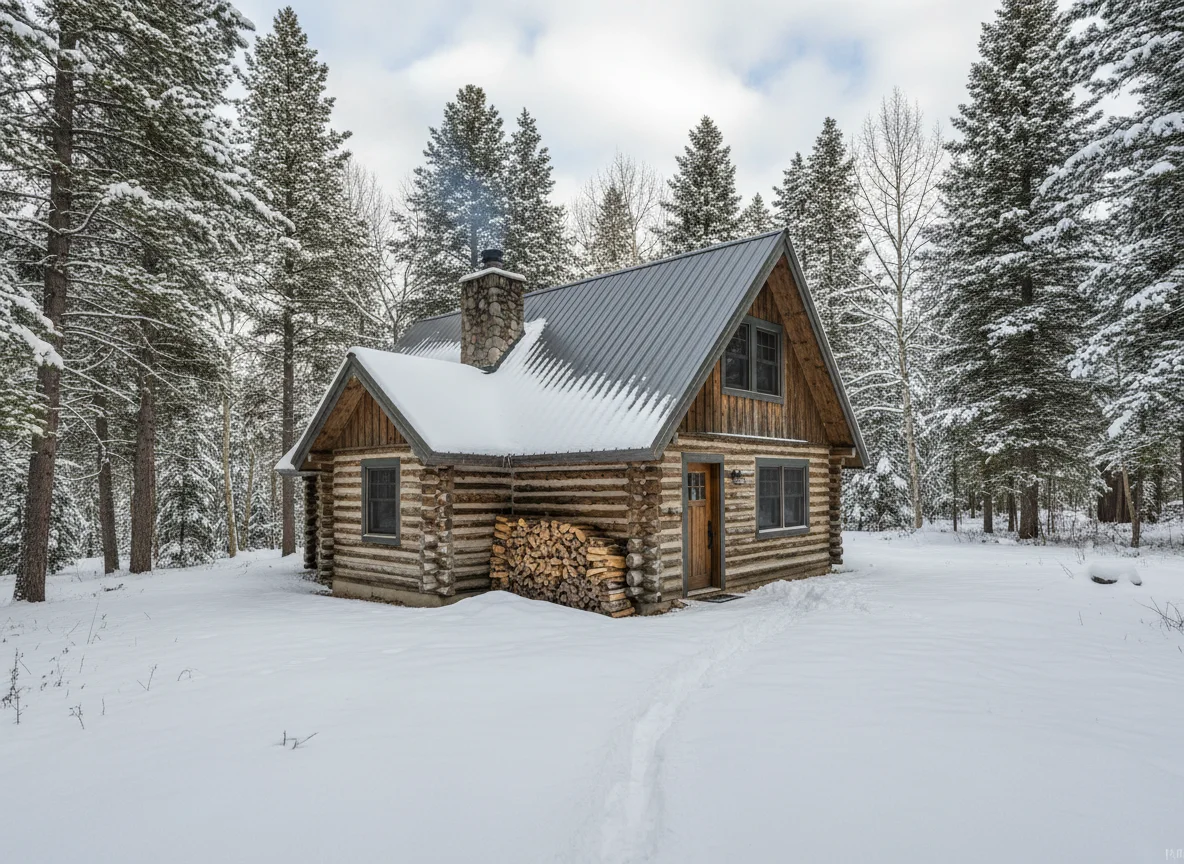
1) Start with the roofline—because water always wins. Clear leaves and needles from gutters, downspouts, and roof valleys before storms hit. In mountain climates, debris becomes a dam, and dams become ice. That ice can push meltwater under shingles and into sheathing, creating stains that show up months later. A clean drainage path also reduces the chance of heavy icicles pulling at fascia boards and gutters.
2) Seal the envelope where heat escapes fastest. Walk the perimeter on a windy day and feel for drafts around door thresholds, window frames, and utility penetrations. Replace brittle weatherstripping, add door sweeps, and seal gaps with appropriate caulk or foam. This isn't just comfort—tightening the envelope keeps pipes warmer, reduces HVAC strain, and signals to future buyers that the home has been maintained with intention.
3) Protect pipes with a "two-layer" strategy: heat + insulation. In cabins that sit empty midweek, freezing risk increases dramatically. Insulate exposed supply lines in crawlspaces, basements, and under sinks, then ensure those spaces have adequate heat (or a planned drain-down). If the property is intermittently occupied, smart thermostats and low-temperature alerts can help prevent a surprise freeze event.
4) Know your water shutoff plan—before you need it. Locate the main shutoff, label it, and test it. If you leave for extended stretches, consider shutting off water and draining lines. For well systems, confirm the pressure tank area stays above freezing and that any exposed piping has insulation where needed. A burst line doesn't just damage drywall; it can warp floors and invite mold—two issues that quickly become negotiation points at resale.
The 10 Moves: A Pinecrest-Ready Checklist
Use this list as a practical run-through each fall. Some items take ten minutes, others deserve a professional visit, but together they create a "no surprises" winter profile that protects both livability and long-term value.
- Service the heating system: Replace filters, confirm safe operation, and schedule an annual inspection for furnaces or boilers.
- Inspect the chimney and fireplace: Sweep as needed, check the cap/spark arrestor, and look for cracked mortar or loose flashing.
- Clean gutters and confirm drainage: Downspouts should discharge away from the foundation to avoid icy pooling and seepage.
- Seal drafts and add weatherstripping: Prioritize doors, windows, and attic access points.
- Insulate vulnerable plumbing: Wrap pipes and consider heat tape where appropriate and safe.
- Test freeze alarms and smoke/CO detectors: Fresh batteries and connected alerts are a small cost for huge peace of mind.
- Protect exterior wood and decks: Address peeling stain/paint, and keep surfaces clear so moisture doesn't linger.
- Trim branches near the roof: Reduce storm damage risk and keep needles from piling up in valleys.
- Check attic insulation and ventilation: Balanced airflow helps prevent moisture buildup and limits ice dam formation.
- Create an "arrival-ready" plan: Keep a labeled kit with extra filters, flashlights, a shutoff wrench, and a simple step-by-step opening procedure.
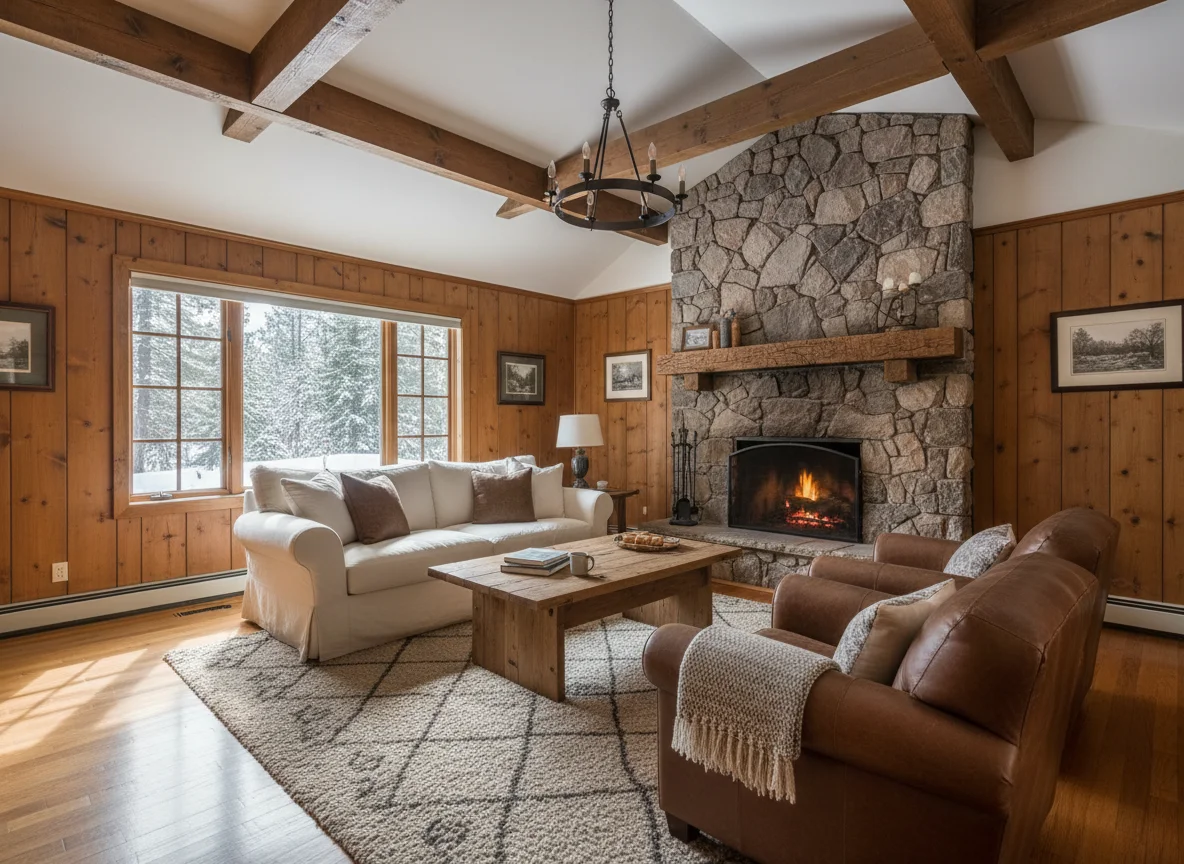
5) Fireplace comfort is great—fireplace safety is priceless. Cabins often revolve around a hearth, and buyers love the ambiance. But creosote buildup, a missing cap, or deteriorating mortar can turn a charming feature into a red flag. A clean inspection report and a tidy firewood setup communicate that the home is used responsibly, not just romantically.
6) Attics and crawlspaces deserve a quick "reality check." Look for damp insulation, discoloration, or evidence of critters. Winter moisture issues can start as subtle ventilation imbalances or small roof leaks, then grow into insulation loss and wood rot. If you find condensation, address ventilation and air sealing rather than simply adding more insulation—buyers and inspectors increasingly expect the whole system to make sense.
7) Add a value-friendly layer of documentation. Keep a simple maintenance log: dates of HVAC servicing, chimney sweep receipts, roof repairs, and winterization steps. When it's time to sell, this record reduces uncertainty and can strengthen your pricing position. It also helps you budget—because nothing is more expensive than "we didn't know."
8) Make the exterior resilient, not just pretty. Winter is hard on decks, steps, and railings. Tighten loose fasteners, replace cracked boards, and ensure railings are secure. Small safety issues become big buyer objections, especially in cabins where snow and ice are expected. A sturdy entry experience—from driveway to doorstep—sets the tone for the entire showing.
A Quick Note on Community, Lifestyle, and Market Appeal
Cabin ownership isn't only about the structure—it's about the lifestyle that comes with it. In a place like Pinecrest, the draw is simple: crisp air, evergreens, and that unplugged feeling that makes weekends feel longer. Winterizing supports that lifestyle by ensuring your arrival is easy (heat turns on, water runs, doors open smoothly) and your departure is stress-free (no anxious "did we leave something running?" doubts).
From a real estate perspective, winter readiness is often a proxy for overall stewardship. Buyers touring a mountain property pay attention to practical cues: how the home handles weather, whether access points are solid, and whether systems look thoughtfully updated. The strongest listings tend to feel prepared—clean drainage, confident heat, dry basements, and a roofline that looks like it's been checked, not hoped for.
9) Don't ignore the "small leaks" category—air, water, and time. A dripping hose bib, a slow toilet leak, or a tiny roof flash gap can translate into warped trim, stained ceilings, or high humidity inside. Those visual issues become negotiation leverage. Fixing them early is cheaper and keeps your cabin's story consistent: cared for, reliable, and ready.
10) Plan for snow operations like a pro. Whether you hire a plow service or keep equipment on site, define how the driveway and entry will be cleared and where snow will be piled so it doesn't melt against the foundation. Add traction where needed (entry mats, safe storage for salt alternatives), and keep exterior lighting functioning for early sunsets. Convenience is part of value—especially for second-home buyers.
Closing Thought: Winterizing Is Maintenance, but It's Also Marketing
The best cabins feel effortless in the cold: warm when you arrive, dry all season, and unchanged when spring thaw comes around. If you treat winterizing as an annual ritual—not an emergency reaction—you protect finishes, mechanical systems, and the confidence buyers feel when they walk through the door. For homeowners thinking long-term, these ten moves aren't just about avoiding damage; they're about preserving the kind of condition that commands attention (and stronger offers) when it's time to sell. Cold Springs Realty can help you align smart maintenance with market expectations so your cabin holds value through every season.