7 Hidden Costs to Plan for When Buying a Mountain Home in Cold Springs
Mountain homes have a way of making everyday life feel a little more deliberate—in the best sense. Crisp mornings, quiet nights, and a view that never gets old can be a powerful motivator to buy. But before you fall in love with the wraparound porch or that wall of windows, it helps to budget like a local. In Cold Springs, the purchase price is only the beginning, and the "surprises" tend to show up after closing.
Below are seven often-overlooked costs that can change your monthly numbers, your maintenance calendar, and even the type of home that's right for you. If you plan for them early, you can write an offer with confidence and keep your mountain lifestyle comfortable—rather than complicated.
1) Snow management: plowing, sanding, and driveway design
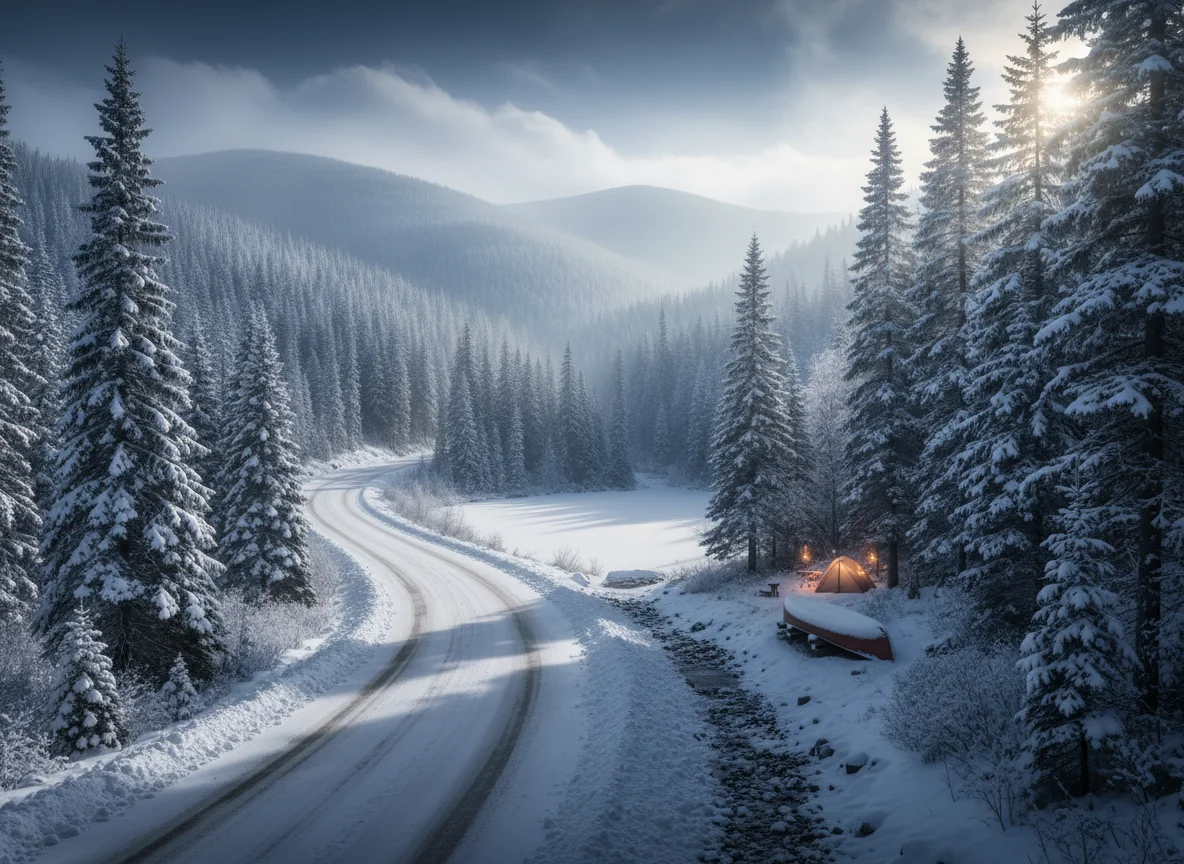
A mountain driveway isn't just a line on a survey—it's a winter operating expense. Long, steep, or winding driveways cost more to plow and may require sanding or salting to stay passable. Some properties also need a plow turnaround area, which can add grading and gravel costs if it doesn't already exist. If the home is set back from the road, expect higher seasonal contracts or per-push fees, especially during heavy snowfall periods.
It's worth asking sellers for past invoices and the name of their plow service. Also consider what happens if you're away: a reliable vendor matters, and last-minute service can be expensive or unavailable. A heated driveway sounds luxurious, but it comes with higher energy use and equipment maintenance—another line item to price out realistically.
2) Heating realities: fuel type, insulation, and backup heat
Cold-climate comfort depends on more than the thermostat setting. The type of heat—oil, propane, electric, wood, heat pump, or a combination—directly affects both monthly costs and how much effort you'll put into managing fuel deliveries. Older mountain homes may have charming features and less charming insulation, meaning heat loss through attics, crawlspaces, windows, and unsealed penetrations.
Budget for an energy audit and likely upgrades: weatherstripping, attic insulation, pipe insulation, and possibly window improvements. Also plan for a backup heat source. Power outages are more than an inconvenience in winter; they can quickly become a frozen-pipe risk. Even if the home has a generator, you'll want to understand its capacity, fuel source, maintenance schedule, and whether it powers critical loads (well pump, furnace controls, refrigerator, select outlets).
3) Water and septic: private systems, pumping, and winterization
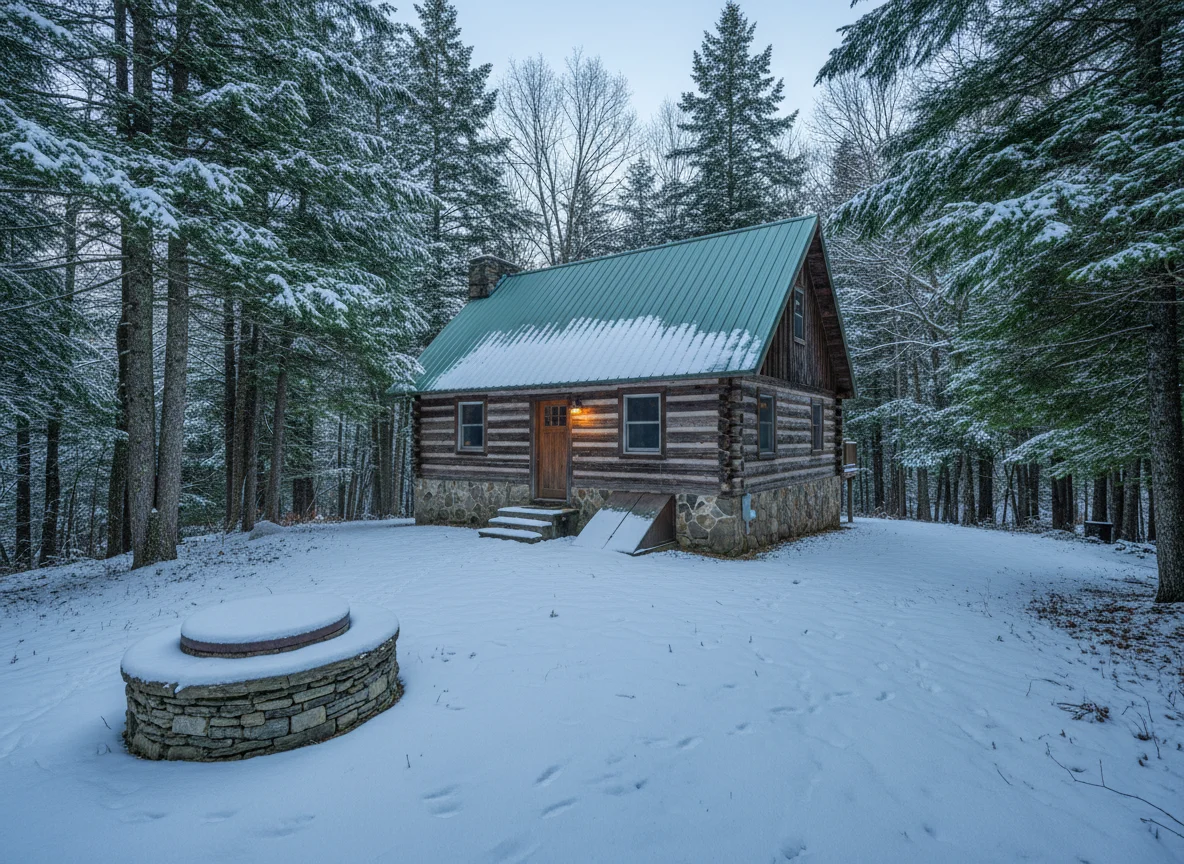
If a home relies on a well and septic system, you're effectively the utility company. That's not a bad thing—private systems can be reliable—but they require proactive care. A standard home inspection may not fully evaluate well yield, water quality, septic tank condition, or leach field performance without dedicated tests. Those tests cost extra, and repairs can be significant if issues surface later.
Common "hidden" expenses include septic pumping, riser installation for easier access, water treatment (softener, sediment filtration, UV), and periodic well equipment service. In cold regions, winterization matters too: heat tape, insulated well housings, and protecting exposed plumbing in crawlspaces can prevent costly freeze damage. If the home is seasonal or you travel often, you may also want a monitoring system for temperature and water leaks.
4) Road access and maintenance: private roads, easements, and shared obligations
Not every mountain property sits on a fully maintained public road. Some are accessed via private roads with informal agreements; others have formal road associations with dues. Either way, you'll want clarity on who plows, who grades, who pays, and what happens when a culvert fails or a section washes out. These costs don't always show up neatly in the listing details, but they can affect resale value and day-to-day ease.
Request documentation: recorded easements, maintenance agreements, and any association budgets or meeting notes if applicable. If a road is steep or shaded, it may need more frequent winter attention. In rainy seasons, gravel driveways and road shoulders can rut and require regrading. Think of access as part of your home's infrastructure—because it is.
5) Insurance and risk factors: wildfire, wind, snow load, and distance to services
Mountain settings can introduce insurance complexity. Premiums may reflect distance to fire protection, limited hydrants, steep driveways, or regional risks like wind events and heavy snow load. Some insurers require specific mitigation steps: defensible space, certain roofing materials, or proof of updated electrical systems. If the home has a wood stove, older chimney, or outbuildings, that can also influence coverage options.
Start insurance quotes early—ideally before you're deep into negotiations. The goal is to avoid a last-minute scramble that changes your budget. And don't forget to factor in deductibles; a lower premium sometimes comes with a higher out-of-pocket reality when you need to file a claim.
6) Trees, drainage, and the "land costs" you inherit
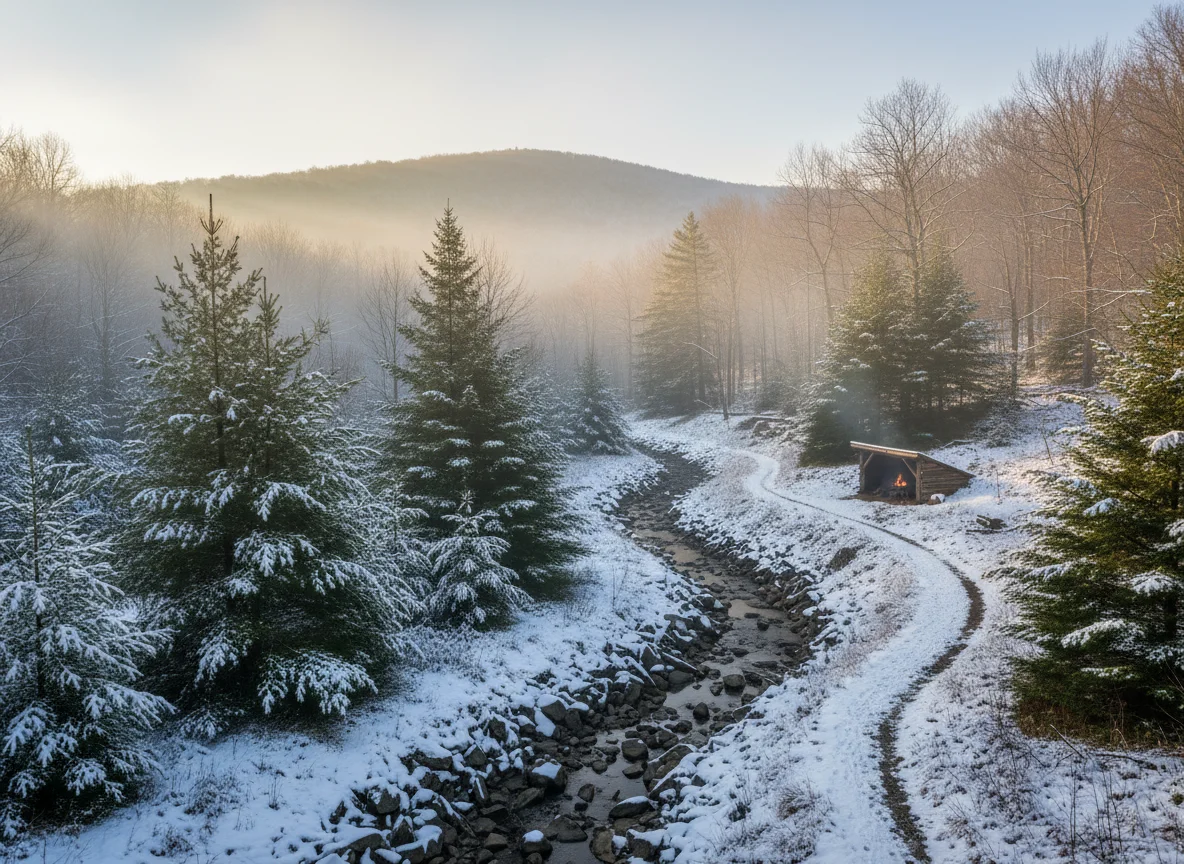
Beautiful land is part of the appeal, but it comes with ongoing stewardship. Trees near the home may need periodic trimming, hazard assessments, or removal—especially after storms. Drainage is another quiet budget item: downspout extensions, grading tweaks, French drains, and culvert maintenance can prevent water from finding its way into basements, crawlspaces, and driveways.
Also consider leaf management and seasonal cleanup. A wooded lot can mean more gutter cleaning, more debris around outdoor mechanicals, and more moisture against the structure if vegetation is too close. None of these items are dealbreakers; they're simply part of owning a property where nature is a daily neighbor.
7) Ongoing maintenance & "specialist" service calls
In mountain areas, certain repairs may require specialized contractors—or just longer wait times. HVAC techs familiar with particular boiler systems, chimney professionals, septic companies, and generator technicians may be booked out during peak seasons. Even routine tasks can cost more if travel time is significant. It's smart to budget a larger annual maintenance reserve than you would for a typical suburban home, especially if the property is older or has multiple heat sources.
Plan for the small-but-steady items too: pest prevention, chimney sweeping, roof and snow-guard checks, servicing a well pressure tank, and replacing water filters. If the home has decks, exterior stairs, or extensive wood siding, refinishing and sealing become predictable, recurring costs rather than occasional projects.
Budget Smarter Before You Offer
The best mountain-home purchases are the ones that still feel great six months after closing—when the first big storm hits, when the heating bill arrives, and when you realize how much you value reliable access and dependable systems. With a clear-eyed budget that includes these hidden costs, you can compare homes more accurately and decide which features are truly worth paying for.
If you're evaluating properties in Cold Springs and want help spotting cost drivers early—like road obligations, heating setups, or private water systems—Cold Springs Realty can walk you through what to ask, what to verify during inspections, and how to structure your offer with fewer surprises and more peace of mind.